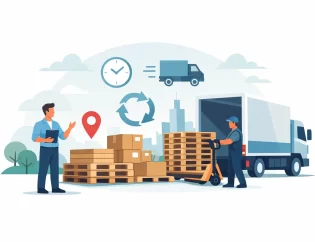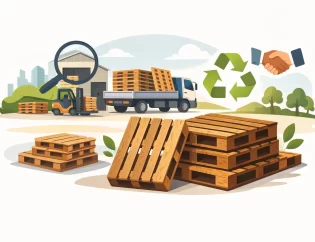
If empty pallets are stacking up along your dock wall, behind the building, or in corners of the warehouse, they are already costing you money. A dependable pallet removal service is not just a cleanup solution. It is a way to protect dock space, improve safety, reduce haul-away costs, and keep material flow moving without interruption.
For operations teams, pallet buildup usually starts small. A few broken skids get set aside. A batch of odd sizes sits waiting for a decision. Then receiving stays busy, outbound volume increases, and suddenly usable space is tied up by wood that no longer supports the job. That is when pallet removal becomes an operational issue, not a housekeeping task.
What a pallet removal service actually does
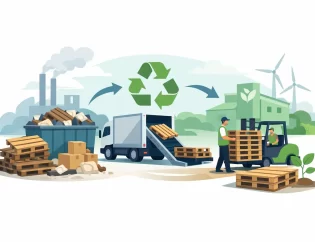
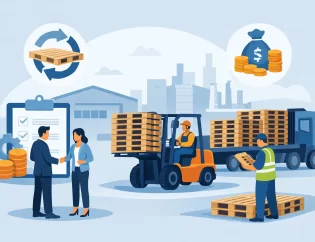
At the practical level, a pallet removal service collects excess, broken, or unwanted pallets from your site and moves them into the proper next step. That may mean recycling damaged units, recovering repairable pallets, separating reusable inventory, or consolidating mixed loads for transport.
The value is not just in taking wood away. The real benefit is having a structured process for pallet recovery instead of relying on employees to manage leftovers when they have time. In most facilities, they never really have time.
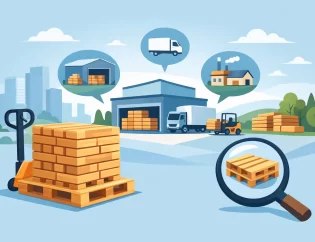
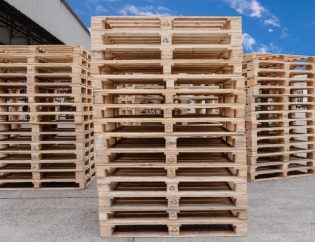
A good provider will assess pallet condition, sort by type where needed, and determine what can be reused, repaired, or recycled. That matters because not all pallet piles are the same. A stack of standard 48×40 pallets has a different value and handling process than a pile of broken custom skids, mixed hardwood pallets, and scrap wood.
Why pallet buildup becomes expensive fast
The cost of excess pallets usually hides inside other line items. You see labor spent moving stacks out of the way. You lose rack-adjacent floor space that should be used for product. You increase clutter around docks and trailer areas. In some cases, you also pay landfill or junk removal rates for material that could have been recovered through a specialized service.
There is also the safety side. Leaning stacks, damaged boards, and protruding nails create obvious hazards, especially in high-traffic areas. Forklift routes become tighter. Pedestrian paths become less clear. Fire load can also become a concern when wood waste accumulates outside designated areas.
For facilities under pressure to improve throughput, this is where the issue usually gets management attention. Pallets are basic equipment, but when used ones are unmanaged, they start acting like waste. That is a poor use of space and a poor use of labor.
When a pallet removal service makes sense
Some businesses can manage pallet recovery internally if volumes are low and pallet types are consistent. Many cannot. If your team is routinely shifting old pallets around the property instead of removing them, you likely need outside support.
A pallet removal service makes the most sense when your site generates used pallets at scale, receives mixed pallet grades, or lacks the labor and transport capacity to sort and clear them efficiently. Manufacturers, distribution centers, retailers, food facilities, and 3PL operations often fit this profile.
The same applies when seasonality causes sudden spikes. During peak periods, pallet accumulation can outpace normal cleanup routines in a matter of days. Waiting too long creates a bigger pickup, more site congestion, and more disruption when removal finally happens.
What to look for in a provider
Not every removal company understands pallet operations. Some are simply hauling debris. That may solve the immediate pile, but it does not necessarily give you the best operational or financial outcome.
A provider focused on pallet recovery should understand grades, dimensions, repair potential, loading efficiency, and recycling channels. They should be able to tell the difference between material with reuse value and material that is only fit for scrap. That affects both service quality and cost.
Responsiveness matters just as much. If pickups take too long to schedule, the service does not really solve your problem. Commercial customers need reliable timing, clear communication, and enough equipment capacity to handle recurring volume.
It also helps when the provider can work with your dock schedule rather than against it. Early morning pickups, trailer swaps, live loading, or scheduled lane service may all be relevant depending on your operation. The right setup depends on volume, site layout, and how your inbound and outbound traffic runs.
Recovery, recycling, and the value question
One of the biggest misconceptions is that pallet removal always means paying to get rid of unusable material. Sometimes that is true, especially with heavily damaged, wet, contaminated, or nonstandard pallets. But in many cases, there is recoverable value in the load.
Standard pallet sizes in repairable condition may be suitable for resale or refurbishment. That can offset removal costs or improve overall program economics. It depends on pallet type, local demand, condition, and quantity. A mixed pile with a high percentage of broken stringers and scattered custom sizes will be handled differently than a clean stack of common warehouse pallets.
This is where a company with a circular model has an advantage. If the provider can recover, repair, and return usable pallets to the market, your removal program becomes part of a larger supply solution rather than a one-time disposal event. City Pallets works in that lane, helping businesses treat used pallets as a recoverable asset when conditions allow.
How pallet removal supports warehouse efficiency
Most operations managers do not need convincing that floor space matters. What they do need is a service structure that protects that space consistently.
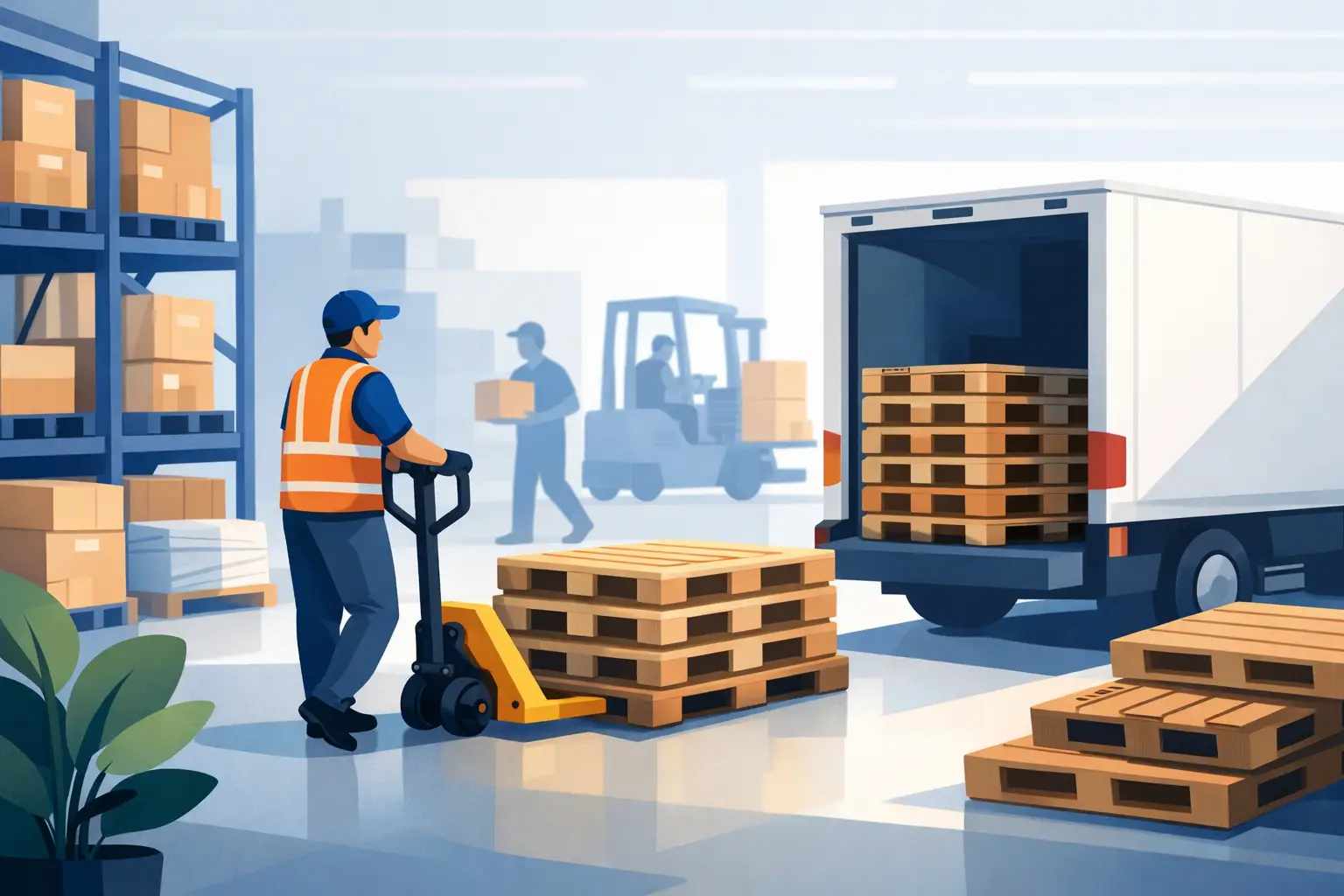
Regular pallet removal supports cleaner dock staging, faster movement around work areas, and fewer interruptions caused by clutter. It also reduces the time supervisors spend dealing with a problem that should be routine. When pickup schedules are set and recovery procedures are clear, pallet accumulation stops being a recurring fire drill.
There is also a procurement benefit. Once you know what is leaving the site, what can be recovered, and what needs replacement, you get better visibility into pallet usage overall. That makes it easier to forecast purchases, reduce unnecessary new pallet buying, and manage inventory with fewer surprises.
Service models depend on your volume
There is no single best approach for every facility. Some sites need scheduled pickups every week. Others need on-call support tied to production cycles or seasonal surges. High-volume shippers may benefit from a trailer-drop program that allows used pallets to be loaded continuously and swapped out when full.
Lower-volume sites may only need periodic removal, but even then, consistency matters. If pickups happen only after space is exhausted, the operation is reacting instead of controlling the flow.
This is also where site conditions matter. Outdoor storage, dock count, forklift access, security procedures, and pallet mix all affect how removal should be handled. A provider should be able to look at your operation and recommend a practical service rhythm instead of forcing a standard plan onto every customer.
Common issues that slow down removal
The biggest obstacle is usually poor separation. If reusable pallets, broken units, shrink wrap, corrugated waste, and general trash are all mixed together, processing becomes slower and more expensive. Clear staging rules help. So does giving warehouse teams a defined area for damaged pallets versus reusable returns.
Another issue is unrealistic expectations about value. Some loads have recoverable material and some do not. If the pile includes severe damage, contamination, moisture exposure, or uncommon specs, removal may still be necessary but the economics change. A reliable provider should be direct about that.
Communication inside the facility matters too. If receiving, shipping, maintenance, and yard teams all handle pallets differently, buildup returns quickly. The best removal programs are simple enough that everyone follows the same process without extra training or constant reminders.
A smarter way to treat pallet waste
Used pallets are not always waste, and they are rarely worth ignoring. In a busy facility, they affect labor, safety, space, and cost control more than many teams realize. A well-run pallet removal service gives you a cleaner operation, a more organized dock, and a better way to recover value from material that would otherwise sit idle.
If your crew is spending too much time moving old pallets from one corner to another, that is usually the signal. The right removal program should take pressure off the floor, not add another task to it. When pallet flow is handled properly, the whole operation works a little cleaner and a lot more efficiently.