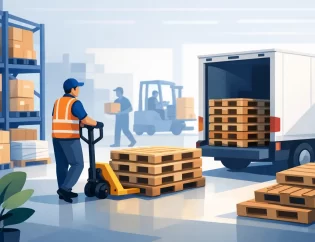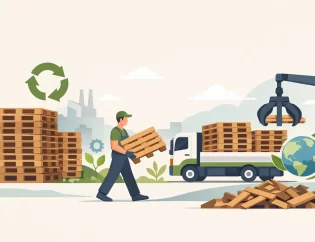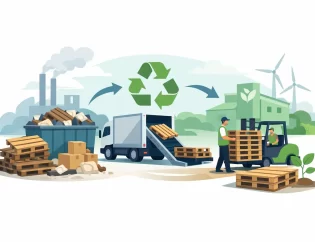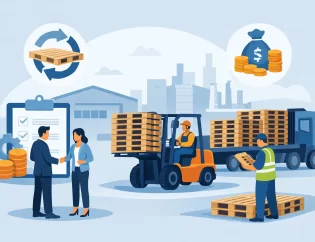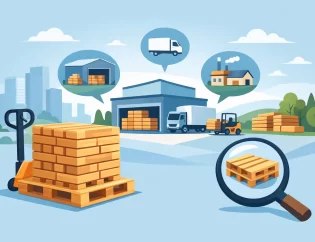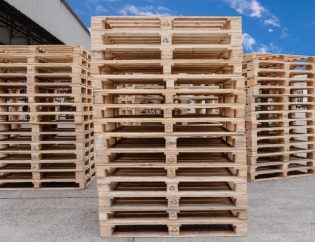
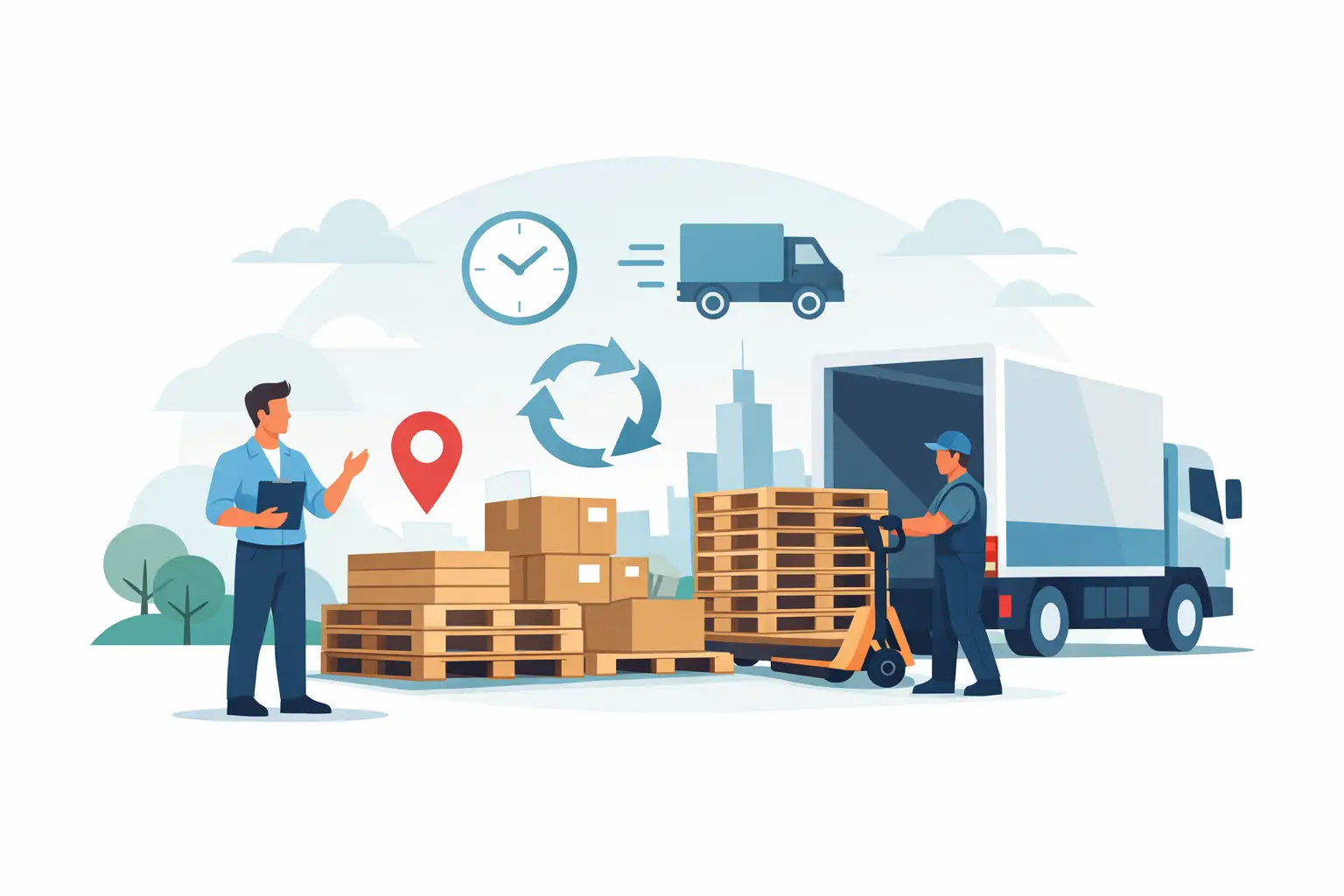
Used pallets do not stay harmless for long. They stack up behind the building, take over dock space, create safety issues, and quietly add handling costs that nobody planned for. A reliable pallet pickup service solves that problem before excess pallets start interfering with shipping, storage, and yard flow.
For most businesses, pallet removal is not really a waste problem. It is an operations problem. When empty or damaged pallets pile up, they compete with sellable inventory for space and labor. Forklift time gets diverted. Trailers get loaded inefficiently. Teams spend hours moving around material that should have left the site days ago.
That is why pickup should be treated as part of pallet management, not as an afterthought. The right service helps control costs, supports recycling goals, and keeps usable pallets in circulation instead of sending everything to disposal.
What a pallet pickup service actually does
A pallet pickup service removes accumulated pallets from your site and sorts them into the right recovery path. Some pallets can be repaired and reused. Some can be recovered for parts. Some have reached the end of their useful life and need responsible recycling.
That distinction matters. If every used pallet is treated like trash, you lose value. If every pallet is treated like reusable inventory without inspection, you create quality problems downstream. A good pickup program sits in the middle. It identifies what still has service life, what can be rebuilt, and what should be removed from circulation.
For high-volume shippers, this can also become a predictable part of logistics planning. Instead of waiting until the yard is full, pickups are scheduled around shipping patterns, trailer availability, and pallet turnover. That reduces disruption and gives operations teams one less variable to manage.
Why businesses outgrow ad hoc pallet removal
At low volume, teams often handle pallet cleanup themselves. They assign a few labor hours, call around when stacks get too high, or arrange occasional haul-offs. That works for a while, especially at smaller facilities.
The problem starts when volume rises or site activity becomes more complex. A warehouse running multiple inbound and outbound lanes cannot afford clutter around dock doors. A manufacturer with recurring pallet receipts cannot keep dedicating labor to sorting and moving empties. A retailer with seasonal surges may suddenly generate far more used pallets than normal and need a faster response than a one-off hauler can provide.
Ad hoc removal usually costs more than it looks. The invoice may seem manageable, but the hidden cost shows up in labor, congestion, avoidable disposal, and missed recovery value. Once pallet flow becomes steady, a structured pickup service is often the more economical option.
The operational benefits of regular pallet pickup service
The first benefit is space. Floor space, yard space, and dock access all have direct operational value. When used pallets are removed on time, those areas stay available for productive use.
The second benefit is labor efficiency. Warehouse teams should be handling inventory, staging loads, and supporting outbound schedules. They should not be spending unnecessary time restacking damaged pallets, relocating piles, or making room for the next delivery.
The third benefit is safety. Loose stacks, broken boards, exposed nails, and overloaded storage areas create avoidable hazards. Regular removal reduces those risks, especially in facilities with heavy forklift traffic.
The fourth benefit is cost control. A pickup partner that understands pallet grading and recovery can help reduce disposal costs and preserve value from salvageable units. Depending on the pallet mix, condition, and volume, there may be opportunities to offset part of the removal cost through pallet recovery.
Not all pallet streams are the same
One reason businesses get mixed results from pallet pickup providers is that their pallet stream is more complicated than they assume. A site may generate standard 48×40 pallets, odd-size pallets, stringer pallets, block pallets, broken custom units, and low-grade scrap all in the same week.
That mix affects how pickups should be handled. Standard footprints with consistent condition are easier to recover and process. Mixed loads with heavy damage, contamination, or nonstandard construction may require more sorting and may have less resale value.
This is where service quality matters. A capable provider will ask practical questions about pallet sizes, condition, stack counts, access, loading method, and pickup frequency. That is not red tape. It is how realistic scheduling and pricing are built.
When a scheduled pickup model works best
If your site produces used pallets every week, scheduled service usually makes more sense than calling only when the stacks become a problem. Regular pickups create a cleaner operating rhythm. Teams know when material is leaving. Yard congestion stays under control. Procurement and operations get better visibility into pallet movement.
Scheduled service is especially useful for distribution centers, food and beverage operations, manufacturing plants, and multi-shift warehouses where pallet accumulation is constant. In these environments, inconsistency causes friction fast.
That said, not every business needs a fixed schedule. Some locations have uneven demand, project-based surges, or seasonal fluctuations. In those cases, an on-call model may be more practical, as long as response times are dependable. The right setup depends on pallet volume, available space, and how much variation your operation can absorb.
How pallet pickup supports sustainability without slowing operations
Sustainability only works in industrial settings when it also works operationally. Businesses are not looking for a feel-good disposal story that creates more work at the dock. They need a process that removes material efficiently and handles it responsibly.
A pallet pickup service supports that goal by keeping reusable wood pallets in circulation longer. Repairable units can be rebuilt and returned to the market. Components from damaged pallets can sometimes be recovered for repair stock. Material that cannot be reused can be processed through recycling channels rather than dumped as mixed waste.
That approach reduces landfill volume and can lower the demand for newly manufactured pallets in some applications. It also gives businesses a practical way to support internal waste-reduction targets without changing how the warehouse operates day to day.
For companies reporting on sustainability metrics, pallet recovery can be one of the more straightforward improvements to make because it is tied to an existing operational stream. The key is choosing a provider that can actually process the material responsibly, not just remove it from sight.
What to look for in a pallet pickup service provider
The basics matter more than sales language. Can the provider show up when promised? Can they handle your pallet mix? Do they understand commercial loading environments? Can they scale with your volume if production changes?
It also helps to look at how they think about pallets. A provider focused only on haul-away may treat everything as waste. A company built around pallet recovery, resale, and recycling is more likely to find value in the stream and manage it accordingly.
Response time matters, but consistency matters more. Fast help during an emergency is useful. Reliable service every week is what keeps an operation stable. City Pallets, for example, operates from that practical view of pallets as reusable assets, not disposable scrap.
You should also ask about site requirements. Some pickups need trailer access, forklift loading, dock appointments, or clear sorting guidelines. Getting those details right upfront prevents avoidable delays later.
Common mistakes that make pallet pickup more expensive
One common mistake is mixing recoverable pallets with trash, wrap, corrugate, and general debris. Contaminated loads are harder to process and usually worth less. If your team can keep pallet stacks clean and separated by type, the pickup process becomes faster and more efficient.
Another mistake is waiting too long to schedule removal. Once pallets overflow into active yard space or block dock activity, the business is already paying for the delay in lost efficiency.
A third issue is assuming all pallet providers handle all sizes and grades the same way. They do not. If your operation uses custom footprints or generates a high percentage of damaged pallets, that needs to be part of the conversation from the start.
The bigger value is control
Most businesses do not need pallet pickup because pallets are inconvenient. They need it because unmanaged pallet flow creates unnecessary cost and uncertainty. A good service brings control back into the process. It turns scattered used pallets into a managed outbound stream, supports recovery where possible, and keeps your facility focused on core operations.
If pallets move through your business every day, their exit path deserves the same attention as their supply path. When pickup is planned properly, the site stays cleaner, labor stays productive, and fewer usable pallets go to waste.
The best time to set up a better pickup process is before the next pile starts taking over your dock.