
A stack of broken pallets behind the dock does more than take up space. It slows traffic, creates safety issues, complicates inspections, and turns a reusable asset into a disposal problem. That is why used pallet disposal should never be treated as an afterthought. For warehouses, manufacturers, retailers, and freight operations, the right disposal plan can reduce hauling costs, recover value, and keep material flow under control.
The first question is not simply how to get rid of pallets. It is whether those pallets actually need to be disposed of at all. In many facilities, a large share of so-called waste pallets still has value. Some can be repaired, some can be sorted by grade and reused internally, and some can be picked up for recycling or resale. When disposal is handled with that mindset, pallet volume becomes easier to manage and less expensive to deal with.
What used pallet disposal really means
In practice, used pallet disposal covers several different outcomes. Some pallets are still structurally sound and can go back into circulation with little or no work. Others are repairable but need deck board replacement, stringer repair, or hardware removal. A third group is beyond repair and should be broken down for recycling, grinding, or responsible material recovery.
That distinction matters because a mixed pile of pallets is rarely all waste. Treating every used pallet like trash usually costs more than it should. It can also create supply issues later when a facility suddenly needs pallets again and has to buy replacements at full market price.
For most businesses, the smarter approach is pallet recovery rather than blind disposal. The goal is to separate reusable inventory from true scrap, then move each category through the most cost-effective channel.
Why poor pallet disposal creates bigger operating problems
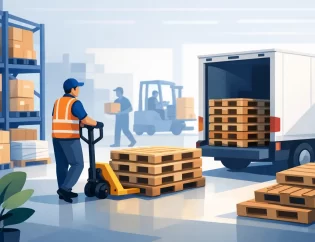
When used pallets build up, the effect shows up across the floor. Dock areas become harder to manage. Forklift routes narrow. Yard organization slips. Employees spend extra time moving empty pallets just to reach active inventory. What looks like a minor housekeeping issue often turns into a labor and safety problem.
There is also a compliance side to consider. Damaged pallets with exposed nails, split boards, or unstable stacks increase the risk of injuries. Fire exposure can become a concern if wood waste accumulates in the wrong areas or too close to the building. In operations with high shipment volume, excess pallet storage can interfere with trailer loading patterns and staging discipline.
Then there is the cost issue. Paying for dumpsters or general waste hauling to remove pallets is often the least efficient option, especially when a portion of that material could have been recovered. Disposal costs add up fast when wood is mixed with stretch wrap, strapping, corrugate, and other dock waste. Once it enters a mixed waste stream, any remaining pallet value usually disappears.
How to evaluate your used pallet stream
A workable disposal program starts with a simple operational review. You need to know what kinds of pallets you generate, in what quantity, and in what condition. A facility that handles standard 48×40 GMA pallets has more recovery options than one dealing mostly in odd sizes, export pallets, or heavily damaged custom units.
Volume matters just as much as pallet type. If your site generates a few dozen pallets a month, disposal may be handled through periodic pickups or backhaul arrangements. If you are producing hundreds or thousands, you need a more structured recovery plan with regular sorting, staging, and transportation.
Condition is the third piece. Many facilities do not separate reusable pallets from scrap, so everything ends up in one pile. That creates confusion and lowers recovery value. A basic sort at the point of accumulation can make a major difference. Good pallets stay available for reuse, repairable pallets move to a reclaim stream, and only true scrap goes to disposal.
The best options for used pallet disposal
The right path depends on your pallet mix, dock activity, available space, and local hauling economics. In many cases, reuse comes first. If pallets meet your handling requirements, internal reuse is the cheapest option because it avoids replacement cost entirely.
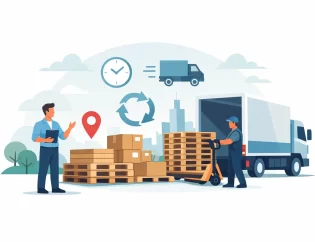
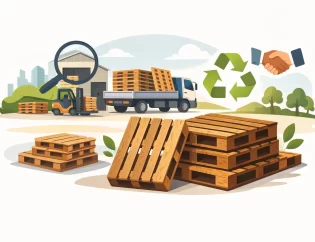
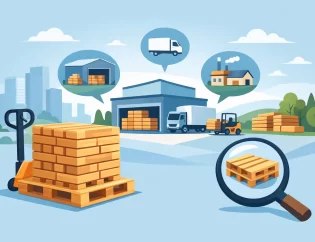
If internal reuse is not practical, pallet pickup and recovery is often the next best route. A pallet recycler can collect usable and repairable units, return them to market, and reduce the amount of material that has to be discarded. That supports cost control and sustainability at the same time.
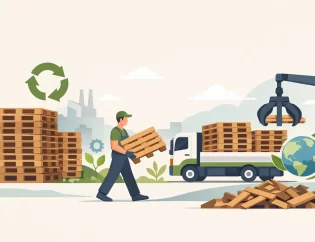
For pallets that are too damaged to repair, recycling is usually better than landfill disposal. Wood components can often be processed for secondary use rather than thrown away as waste. That will not eliminate every disposal cost, but it can reduce it.
Landfill should be the last option, not the default. It may be necessary for contaminated, heavily broken, or nonrecoverable pallet material, but relying on landfill for all used pallets usually signals a weak recovery process.
When disposal is the wrong objective
A common mistake is asking for disposal when the real need is pallet management. If pallets are piling up every week, the issue may not be removal alone. It may be poor return flow, inconsistent sorting, low dock discipline, or buying new pallets without a plan for recovering used ones.
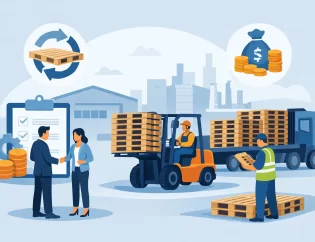
That is where a service-driven pallet partner can make a difference. Instead of just hauling material away, they can help you create a regular cycle of pickup, sortation, repair, and replacement. City Pallets operates in that kind of circular model, where usable pallets are recovered and returned to service rather than pushed straight into the waste stream.
For buyers and operations teams, that changes the conversation. The goal stops being disposal at any cost and becomes controlled pallet turnover with less waste and better supply continuity.
Setting up a better used pallet disposal process
A good process does not need to be complicated, but it does need to be consistent. Start by designating a specific area for used pallet accumulation. Keep reusable pallets separate from damaged ones. If possible, create at least three categories: ready to reuse, repairable, and scrap. That single step reduces confusion and helps pickup crews handle material faster.
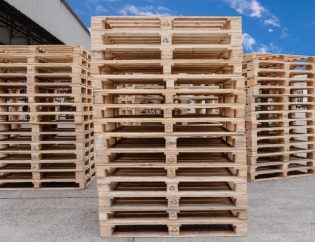
Next, look at stacking and storage practices. Safe, uniform stacks are easier to count, move, and load. Random piles waste space and create hazards. Standardizing stack height and keeping the area clear of trash improves both safety and recovery value.
Pickup frequency should match volume. If pallets sit too long, they spread into active operating space. If pickups are too frequent, transportation costs may rise unnecessarily. The right schedule depends on how quickly pallets turn over at your location and how much staging room you have.
It also helps to track pallet movement in simple terms. You do not need a complex system to start. Even a basic count of incoming pallets, reused pallets, and removed scrap can reveal patterns that affect purchasing and disposal cost.
Trade-offs businesses should keep in mind
There is no single best answer for every facility. A high-volume distribution center may benefit from routine trailer-based pallet collection, while a smaller manufacturer may only need on-call pickup. A site with mostly standard footprints will usually see better recovery than one using custom skids. Distance from recycling outlets can also affect what is economical.
Speed and value do not always line up perfectly either. The fastest removal option may not produce the best recovery return. On the other hand, waiting for the ideal value outcome can leave your dock overloaded and disrupt operations. Most businesses need a balanced solution that protects workflow first while still capturing as much pallet value as practical.
The condition of your outbound freight also matters. If your shipping operation regularly damages pallets through rough handling, wet storage, or poor loading practices, disposal volume will stay high. In that case, reducing pallet damage upstream may save more than negotiating better removal rates downstream.
Why responsible disposal supports the bottom line
Used pallet disposal is often treated as a housekeeping cost, but it has a direct connection to procurement, labor, safety, and sustainability performance. When pallets are recovered instead of wasted, companies buy fewer replacements, keep dock areas cleaner, and reduce unnecessary landfill use.
That matters to operations teams because every avoidable cost shows up somewhere. It may show up as extra pallet purchases, more labor spent cleaning the yard, delayed trailer turns, or avoidable injury risk. A disciplined pallet disposal program does not fix everything, but it removes friction from a part of the operation that is easy to overlook.
If your facility is dealing with excess pallets, the best next step is not to ask how fast they can be dumped. It is to ask how much of that stack can still be put to work.