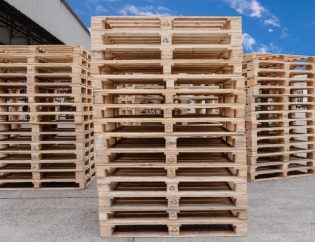

A pallet shortage rarely shows up as a pallet problem. It shows up as delayed outbound loads, product stacked where it should not be, extra labor, and shipping teams trying to make the best of bad inventory. That is why choosing wood pallet suppliers is not a small purchasing task. It is an operating decision that affects cost, flow, safety, and service levels.
For businesses that move product every day, the right supplier does more than drop off pallets. They help stabilize inventory, reduce waste, and keep your material handling process consistent. The wrong one creates variability that your warehouse has to absorb.
What good wood pallet suppliers actually provide
On paper, pallets look simple. In practice, supply is tied to lumber markets, freight capacity, regional availability, repair programs, and the specs your operation can actually use. A dependable supplier understands all of that and can work within the realities of your business.
That usually starts with consistent pallet quality. If your loads rely on standard 48×40 pallets, your supplier should deliver units that match your handling equipment, rack requirements, and shipping patterns. If you use custom sizes, the supplier should be able to produce or source them without turning every order into a special project.
Good suppliers also help on the back end. Many businesses build up used or broken pallets faster than they can deal with them. A supplier that offers pickup, sorting, repair, and recycling services can turn pallet clutter into a managed stream. That matters in facilities where floor space is tight and cleanup labor is already stretched.
Cost matters, but pallet pricing is not the whole job
Most buyers start with price, which makes sense. Pallets are a recurring operating expense, and margins are real. But the lowest unit cost is not always the lowest total cost.
A cheap pallet that breaks early can cost more in product damage, rework, and labor than the upfront savings ever justified. The same goes for inconsistent sizing or weak repairs. If pallets jam conveyors, shift under load, or fail during storage, the cost moves straight into operations.
There is also the question of new versus recycled inventory. Recycled pallets often make strong financial sense for general shipping and one-way movement, especially when a business needs volume without paying new-pallet pricing. New pallets may be the better fit for heavier loads, export requirements, customer specifications, or applications where appearance and uniformity matter more. The right answer depends on what you ship, how often you turn inventory, and how much variation your operation can tolerate.
A useful supplier will be direct about those trade-offs. They should not push new pallets when repaired pallets will do the job, and they should not oversell recycled pallets for applications that clearly need tighter specs.
How to evaluate wood pallet suppliers before you commit
The fastest way to judge a supplier is to look past the quote and into the operating details. Ask how they define pallet grades, what repair standards they follow, and how they manage inventory during demand spikes. If the answers are vague, expect inconsistency.
Lead times deserve close attention. Some suppliers look competitive until you need a rush order or face a seasonal surge. If your shipping volume swings by week or month, you need a supplier that can flex with you. That may mean keeping standing inventory, forecasting with your team, or offering mixed loads of new and recycled pallets depending on availability.
Service footprint matters too. A supplier serving one metro area may be fine for a single-site operation, but multi-location businesses need broader coverage or a clear logistics plan. If your facilities are spread across states, pallet consistency can fall apart quickly when each location buys differently.
It also helps to ask what happens to your used pallets. Some suppliers only sell. Others manage the full pallet cycle, including retrieval, inspection, refurbishment, and recycling. That second model usually creates more value over time because it reduces both waste and purchasing pressure.
Quality control is where supplier value shows up
A pallet is only useful if it performs the same way every time your crew touches it. That makes quality control a practical issue, not a cosmetic one.
For used and recycled pallets, grading should be clear and repeatable. Your team should know what to expect from an A grade versus a B grade pallet, and the supplier should inspect inventory before it reaches your dock. If every load arrives with a different mix of repairs, board conditions, or runner quality, your warehouse ends up doing the sorting.
Repair standards matter just as much. A repaired pallet can perform very well when the work is done correctly. But poor repairs create weak points that fail under forklift handling or stacked weight. Ask whether damaged pallets are rebuilt to defined standards and whether the supplier removes units that should be recycled instead of repaired.
This is also where experience counts. Suppliers that understand real shipping environments tend to ask better questions about load weight, stretch wrap, racking, and trailer conditions. They know that a pallet spec is not just a dimension. It is part of the way product moves.
Recycling and retrieval should not be an afterthought
Many operations spend money buying pallets while also paying to remove used ones. That disconnect adds unnecessary cost.
Suppliers that offer retrieval and recycling can help close that loop. Instead of treating used pallets as scrap or landfill material, they sort what can be reused, repair what is worth repairing, and recycle what has reached the end of its life. That supports cost control and waste reduction at the same time.
For companies with sustainability targets, this matters beyond optics. Reuse and recovery reduce demand for new materials and keep usable pallet stock in circulation. For warehouse managers, the benefit is even more immediate: cleaner yards, less accumulated wood waste, and fewer headaches around disposal.
This is one area where a circular model stands out. A company such as City Pallets is built around the idea that pallets are reusable infrastructure, not one-time packaging. That approach tends to work well for businesses that want steady supply without carrying the full cost of new inventory on every order.
Signs a pallet supplier will be hard to work with
Not every issue shows up in the first purchase order. Some suppliers look fine during onboarding and become unreliable once volume picks up.
Watch for inconsistent communication, unclear grading, late deliveries without notice, and pricing that changes with little explanation. Be cautious if a supplier cannot explain their sourcing, does not have a clear repair process, or treats used pallet management as someone else’s problem.
Another warning sign is a lack of operational curiosity. Good suppliers ask about your shipping lanes, product weights, customer specs, and storage conditions because those details affect pallet performance. If they only want a part number and a purchase order, they may be selling inventory, not solving a supply problem.
Building a better supplier relationship
The best results usually come from treating pallet supply as a managed category, not an emergency buy. That means sharing forecasts, documenting approved pallet specs, and reviewing usage patterns regularly. When suppliers know your volume trends and operating constraints, they can plan inventory better and reduce surprises.
It also helps to align on service expectations early. Define acceptable pallet grades, delivery windows, trailer quantities, and how rejected pallets will be handled. If you want pickup for used inventory, set that schedule up before your yard fills up.
For larger users, reporting can make a real difference. Knowing how many pallets were delivered, recovered, repaired, and recycled gives procurement and operations a clearer picture of total pallet cost. It also supports internal reporting on waste reduction and asset recovery.
The right supplier should make operations quieter
That is often the clearest test. A strong pallet supplier does not create more management work for your team. They reduce disruptions, keep inventory moving, and give you predictable options when demand shifts.
Wood pallets may be one of the most basic items in your operation, but the supplier behind them affects much more than packaging spend. They influence warehouse efficiency, freight readiness, floor space, and how much waste your business has to manage. Choose a supplier that can support the full cycle, not just the next delivery.
If your pallet program feels more reactive than controlled, that is usually the signal to raise the standard. The right supplier relationship should leave you with fewer shortages, fewer piles of used stock, and fewer operational surprises next month than you had this month.