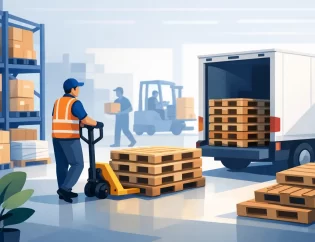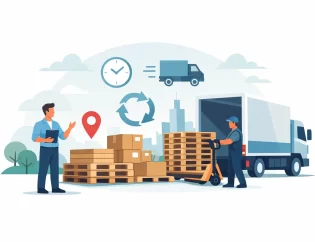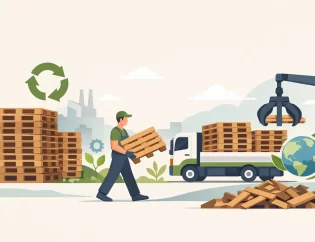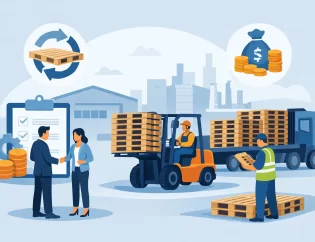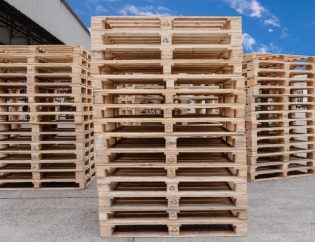
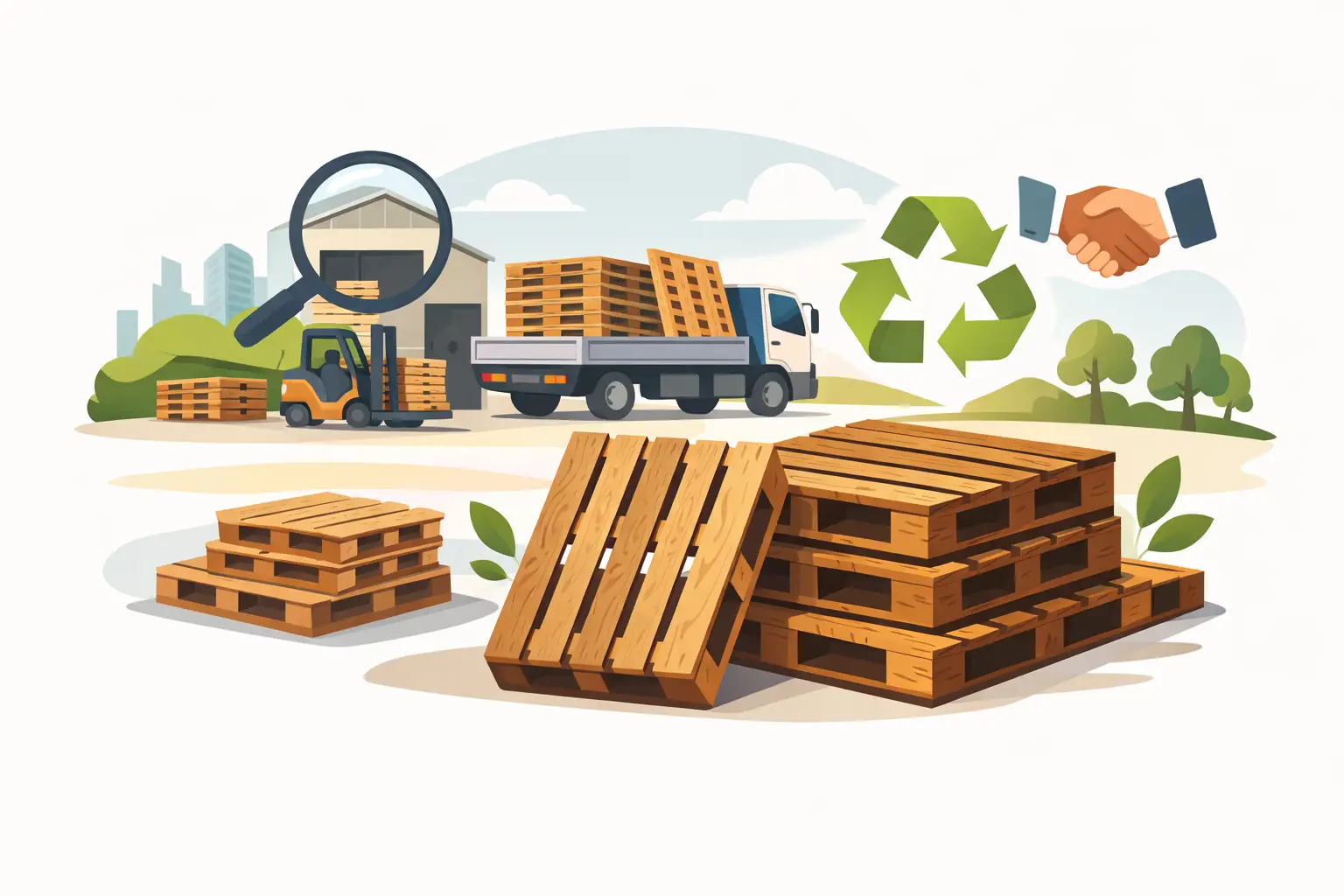
When a shipment is ready and the dock is moving, the last thing any operation needs is a pallet shortage. That is usually when buyers start looking to buy recycled wood pallets – not as a sustainability gesture first, but as a practical way to control cost, maintain inventory, and keep freight moving.
For many warehouses, manufacturers, and distributors, recycled pallets make sense because they solve two problems at once. They lower packaging spend, and they put usable material back into circulation instead of sending it to disposal. The key is buying the right recycled pallet for the job, from a supplier that understands volume, grading, and consistency.
Why businesses buy recycled wood pallets
New pallets are not always necessary. If your loads, storage methods, and customer requirements allow for repaired or reconditioned pallets, recycled inventory can reduce unit cost without creating avoidable risk. That matters when pallet spend touches every outbound order, internal transfer, and warehouse movement.
The savings are usually the first reason companies switch. Recycled pallets often cost less than newly built units, especially in standard footprints like 48×40. For operations that consume hundreds or thousands of pallets each month, even a modest price difference adds up quickly.
There is also the supply side to consider. Recycled pallet suppliers work within active recovery and repair networks, which can help businesses maintain access to usable inventory during periods when new wood costs rise or new pallet lead times tighten. That does not mean recycled stock is unlimited. It does mean a strong pallet recovery program can create a more flexible source of supply.
Environmental performance matters too, especially for companies tracking waste reduction or reporting on sustainability. Reusing pallets extends the life of lumber already in circulation and reduces the demand for disposal. For many operations, that is not marketing language. It is a measurable improvement in how shipping materials are managed.
What to check before you buy recycled wood pallets
The right pallet depends on how it will be used. A low-cost pallet that fails under load is expensive in the ways that matter most: product damage, rework, dock delays, and safety issues. That is why pallet buying should start with application, not just price.
Load capacity and product type
Static load, dynamic load, and racking conditions all matter. A pallet moving bagged goods on a short local route may have very different requirements than one holding dense packaged products in high-bay storage. If pallets will be stacked, floor-loaded, or sent through automated equipment, those details should be clear before any order is placed.
Buyers should also consider whether loads are uniform or irregular. Stable boxed product gives you more flexibility. Heavy, uneven, or high-value loads call for tighter pallet specs and more consistent repair standards.
Pallet size and specification
The most common pallet in the US market is the 48×40 GMA style, but not every operation runs on that footprint. Some industries use custom sizes, block pallets, or heavier deck configurations. Recycled supply is strongest in common sizes, while uncommon footprints may have less availability and greater variation.
Stringer condition, deck board count, entry style, and overall repair quality all affect performance. If your receiving customers reject certain pallet types, those standards should be defined upfront. A pallet that works in your building but gets refused by a customer is not a bargain.
Grade consistency
Not all recycled pallets are the same. Some are lightly used and structurally sound with minimal repair. Others are serviceable but more visibly worn. That is where grading matters.
A dependable supplier should be able to explain what its grades mean in practical terms. Procurement teams do not need vague labels. They need to know whether a pallet is suitable for export staging, retail shipment, warehouse storage, or one-way use. Clear grading reduces disputes and helps warehouse teams know what to expect on every delivery.
Choosing the right supplier
Buying recycled pallets is partly about product and partly about process. A supplier may offer a low unit price, but if quality varies from load to load or deliveries arrive late, the real cost shows up in operations.
Look for supply continuity, not just spot pricing
If your business uses pallets at scale, one-off buys are rarely the best approach. A supplier with active pallet recovery, repair capacity, and transportation support is better positioned to provide steady inventory over time. That becomes especially important when seasonal demand increases or your usage fluctuates.
Consistency matters more than chasing the lowest number on a quote sheet. A slightly higher unit price from a reliable supplier often produces lower operating cost than a cheaper pallet that creates sorting labor, breakage, or last-minute shortages.
Ask how pallets are inspected and repaired
Good recycled pallet programs are built on process. That includes sorting incoming cores, identifying salvageable units, replacing damaged boards, checking structural integrity, and separating grades accurately. Buyers should ask direct questions about repair standards and inspection methods.
The goal is not cosmetic perfection. It is dependable performance. Recycled pallets can show signs of prior use and still be fully suitable for material handling. What matters is structural condition and fitness for the intended application.
Consider removal and recovery services
The strongest pallet suppliers do more than sell inventory. They also help manage used pallets moving back out of your facility. That can include trailer drops, pickups, pallet removal, and core recovery programs.
For many businesses, this is where real operational value shows up. Instead of treating used pallets as waste, companies can turn them back into a managed asset stream. A circular setup helps reduce clutter in the yard, improve housekeeping, and support ongoing recycled pallet supply.
When recycled pallets are the better choice
Recycled pallets are often the right fit for general warehousing, domestic shipping, manufacturing support, and distribution environments where pallet performance matters but brand-new lumber is not required. They are also a good option for companies trying to lower packaging costs without compromising day-to-day throughput.
That said, there are cases where new pallets may be the better call. Highly automated systems, strict customer specifications, export requirements, or very heavy and sensitive loads can justify tighter build control. In those cases, the right answer may be a mix of new and recycled inventory rather than choosing one category for every use.
This is where experienced suppliers add value. They can help match pallet type to lane, load, and usage cycle instead of forcing every application into the same spec.
Common mistakes buyers make
The biggest mistake is buying on price alone. That usually leads to mixed grades, higher damage rates, and extra labor at receiving or in the warehouse. Cheap pallets are only cheap if they perform.
Another common issue is failing to define the application. If a buyer asks for recycled pallets without clarifying dimensions, load weight, destination requirements, or rack use, the quote may not reflect what the operation actually needs. That creates avoidable friction on both sides.
Some companies also overlook the logistics side. Pallet availability, trailer capacity, delivery timing, and core returns affect total cost just as much as the invoice price. A reliable pallet program should support flow through the building, not add one more purchasing problem to manage.
How to buy recycled wood pallets more effectively
Start with usage data. Know your monthly volume, common pallet sizes, load profile, and failure points. If you have multiple facilities or mixed shipping channels, separate those requirements instead of treating all pallet demand the same.
Then align with a supplier that can support both product and recovery. That means consistent grading, reliable delivery, and a clear plan for handling used pallets leaving your site. City Pallets, for example, operates from that circular model because it works in the real world: recover usable pallets, repair what can be repaired, and return dependable units to service at a lower cost than new.
It also helps to test before scaling. A trial order can show how recycled pallets perform in your racking, handling equipment, and outbound lanes. That is usually the fastest way to verify whether a grade fits the operation.
The best pallet buying decisions are not made from a catalog. They come from matching pallet condition, supply stability, and service support to the way your business actually moves product. If recycled pallets can meet the job safely and consistently, they are often the smarter buy.
A good pallet should do its work quietly – carry the load, move through the building, and stay off your problem list.