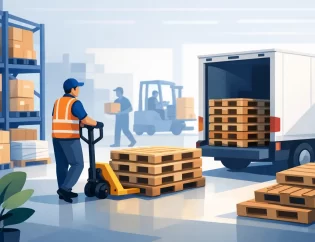
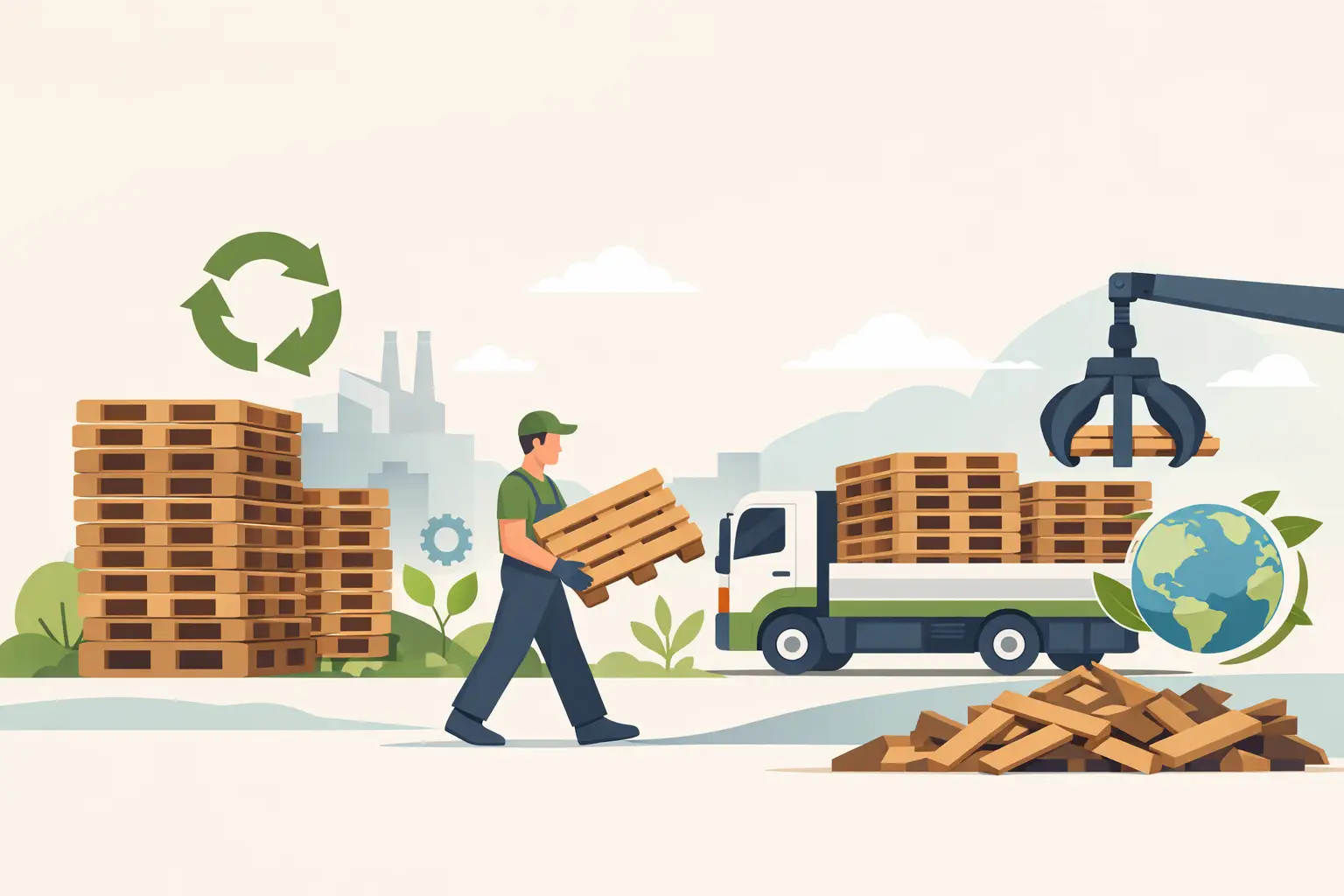
A crowded dock tells you something is off. When broken or excess pallets start stacking up behind outbound shipments, they stop being a background item and turn into a space, safety, and cost problem. That is where used pallet collection matters. Done right, it keeps freight moving, reduces waste, and turns leftover pallet volume into a managed part of your operation instead of a recurring headache.
For manufacturers, warehouses, distributors, and retailers, pallet removal is not just housekeeping. It affects labor time, trailer access, dock flow, and even purchasing decisions. If your team is buying pallets on one side of the operation and paying to remove used ones on the other, there is usually room to improve how those two activities connect.
What used pallet collection actually solves
Most facilities do not struggle with pallets because they use too many. They struggle because pallet volume is uneven, quality is inconsistent, and no one wants excess inventory sitting in the yard. Used pallet collection gives that volume a destination and a process.
At a practical level, collection solves three common issues. First, it frees space in active warehouse and yard areas. Second, it reduces safety risks tied to unstable pallet stacks, damaged boards, and blocked access. Third, it creates a way to recover value from pallets that still have reuse or repair potential.
This is why the service matters most for businesses handling steady inbound and outbound freight. If pallets move through your building every day, used pallet accumulation is not a one-time problem. It is part of normal operations, and it needs a consistent plan.
Why used pallet collection is more than junk removal
There is a big difference between hauling pallets away and managing them properly. A basic junk removal approach treats every pallet as waste. A pallet recovery approach sorts usable units, identifies repairable stock, separates scrap, and moves each category into the right next step.
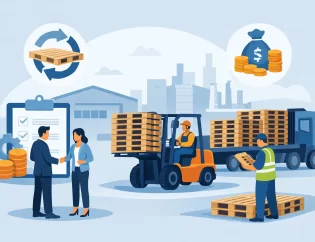
That difference shows up in cost. When pallets are collected by a company that understands grading, dimensions, and repairability, salvageable units can re-enter circulation instead of going straight to disposal. For many businesses, that lowers total pallet spend over time and supports internal waste reduction goals without adding complexity for warehouse staff.
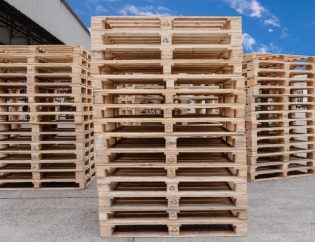
It also matters for consistency. A service provider that works in pallet supply and recycling can spot patterns in what is coming back from your operation. Maybe your facility generates a high percentage of standard 48×40 pallets that can be recovered easily. Maybe mixed sizes or heavily damaged units need a different pickup schedule. Those details shape a better collection plan.
How a commercial pallet collection process should work
A good used pallet collection program should feel simple on your end. Your team should not have to sort through every pallet in detail or spend hours coordinating pickups. The process should match your shipping rhythm and your available space.
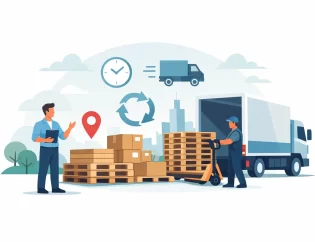
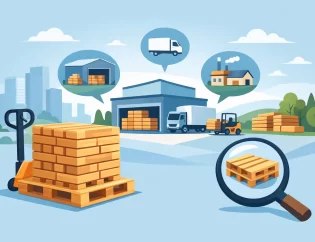
In most cases, collection starts with a review of pallet volume, footprint, and turnover. A high-volume distribution center may need scheduled pickups several times a week. A smaller industrial site may only need regular service every few weeks. What matters is aligning pickup frequency with accumulation so pallet stacks do not interfere with operations.
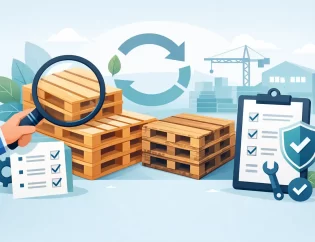
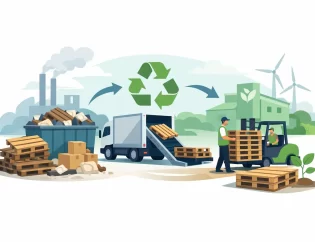
Once pallets are picked up, they are typically sorted by condition and specification. Reusable pallets are separated from repairable ones. Heavily damaged units go to recycling or material recovery. If the collector also supplies refurbished pallets, the operation becomes more efficient because recovered inventory can support future orders.
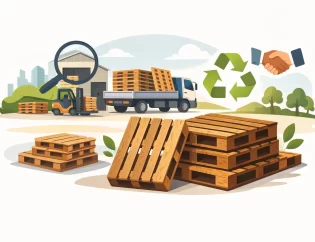
That closed-loop approach is where the real operational value sits. It helps businesses treat pallets as a managed asset instead of a constant replacement expense.
The cost side of used pallet collection
Operations teams usually ask the right question first: does used pallet collection save money, or is it just another service fee?
The honest answer is that it depends on pallet condition, volume, size mix, and location. Standard pallets in reusable or repairable condition generally hold more recovery value than odd-size or severely damaged units. Large, consistent volumes are also easier to service efficiently than occasional mixed loads.
Even when direct rebate value is limited, collection still reduces hidden costs. Those costs include labor spent moving excess pallets around the yard, productivity loss from blocked dock areas, safety exposure, and dumpster or disposal charges for wood waste. For many facilities, those indirect costs are larger than they appear on paper.
Procurement teams should also look at the bigger cycle. If collected pallets are repaired and returned to market as reliable recycled stock, businesses have access to a lower-cost alternative to new pallets. That can be a meaningful advantage when lumber markets tighten or new pallet prices rise.
What to look for in a used pallet collection partner
Not every vendor is set up for commercial pallet recovery. If your operation depends on predictable service, you need more than someone with a truck.
Start with reliability. Pickup windows need to be realistic, especially if pallet buildup affects dock capacity or trailer movement. Missed pickups create immediate problems in busy facilities.
Next, look at pallet knowledge. A provider should understand common pallet sizes, grading standards, repair potential, and recycling pathways. That knowledge affects what gets recovered, what gets scrapped, and how much value can be preserved.
Service flexibility matters too. Some sites need drop trailers. Others need live pickup, yard collection, or recurring dock-level removal. A one-size-fits-all approach rarely works across manufacturing, warehousing, and retail distribution environments.
Finally, ask how the provider handles sustainability reporting or material accountability if that matters to your business. Many companies are under pressure to document recycling activity and waste diversion. A pallet partner should be able to support that conversation with clear process visibility.
When scheduled collection makes more sense than on-call pickup
On-call service sounds convenient, but it often becomes reactive. By the time someone places the call, pallets are already in the way. That usually means your team is solving the problem after it has disrupted flow.
Scheduled collection works better for operations with steady freight volume. It creates predictable removal cycles, reduces emergency requests, and makes it easier to maintain clean staging areas. It also helps a service provider plan routes and equipment more efficiently, which can improve service consistency.
That said, not every facility needs a fixed schedule. Seasonal businesses, project-based operations, and lower-volume sites may be better served by flexible pickups. The right model depends on how quickly pallets accumulate and how much room your site can realistically dedicate to temporary storage.
Used pallet collection and sustainability goals
For most industrial businesses, sustainability only matters if it also works operationally. Pallet recovery is one of the cleaner examples of both goals lining up.
A strong used pallet collection program keeps reusable wood pallets in circulation longer, reduces landfill pressure, and cuts demand for unnecessary replacement units. Repairing and reusing pallets is usually a more efficient outcome than treating every damaged load base as disposable.
This is also one of the more practical ways to support circular-economy targets. Instead of moving wood packaging through a short use-and-discard cycle, recovered pallets are inspected, repaired when possible, and returned to service. That extends product life and reduces waste without requiring major process changes inside your facility.
For businesses trying to improve environmental performance without adding operational drag, that is a solid place to start.
Why pallet collection works best when tied to supply
The strongest results usually come when used pallet collection is connected to pallet purchasing, recovery, and recycling under one service model. When those pieces are separated, businesses often lose visibility and miss chances to reduce overall spend.
If one partner collects used pallets, sorts salvageable inventory, repairs what can be repaired, and supplies dependable recycled pallets back into the market, the system becomes more efficient. That is the practical advantage of working with a company built around recovery rather than simple disposal. City Pallets operates in that lane, where collection supports both cost control and responsible reuse.
For busy facilities, this integrated model simplifies decisions. It reduces vendor overlap, improves pallet flow, and creates a clearer picture of what your operation is using, returning, and replacing each month.
A better way to manage the pileup
Used pallets will always be part of freight operations. The question is whether they pile up as waste or move through a system that protects space, recovers value, and supports steady shipping. The businesses that handle this well usually are not doing anything flashy. They just have a collection process that matches their volume, their dock activity, and their purchasing needs.
If pallet stacks keep coming back as an operational nuisance, that is usually a sign the issue needs a system, not another cleanup day.